The knee plays an important role in walking, climbing stairs, exercising, and performing everyday activities. Because it handles regular movement and body weight, it can sometimes experience discomfort, weakness, or instability. The right support may help improve comfort and provide additional stability, but the type of support should match the person’s needs.
A knee cap, knee brace, or hinged knee brace can serve different purposes. Understanding these differences makes it easier to choose suitable support rather than selecting one based only on appearance or price.
What Is a Knee Cap?
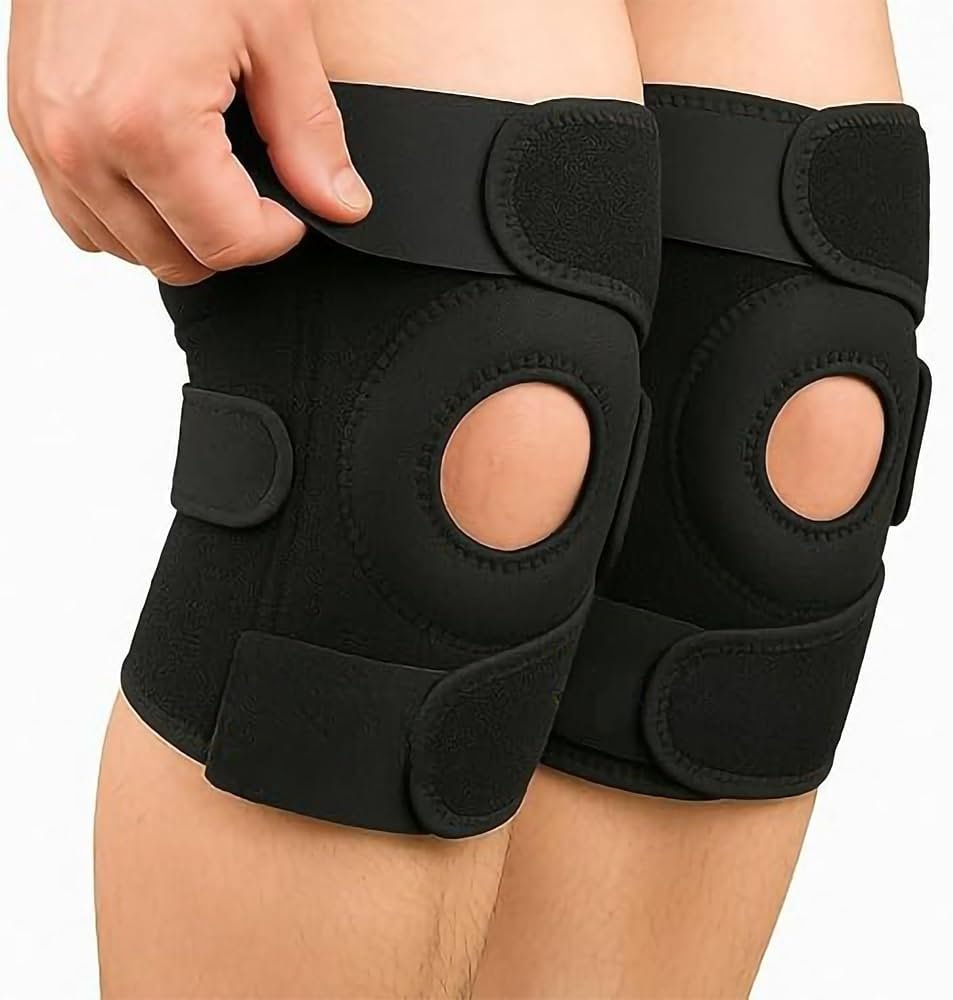
A knee cap is commonly used as a general term for a supportive knee sleeve or patellar support. Depending on its design, it may provide compression, warmth, or gentle support around the knee. Some designs are intended to support the kneecap during movement.
A knee cap can be useful for people who want light support during daily activities or low-impact exercise. However, it should fit comfortably without creating excessive pressure, numbness, or skin irritation.
When Is a Knee Brace Useful?
A knee brace offers focused support to help provide greater stability to the joint compared with a simple knee sleeve. Different braces are made for different situations, including joint instability, certain injuries, and some types of knee arthritis. Clinical guidance also suggests that braces may be considered alongside other approaches such as exercise and self-management for suitable people.
Choosing a knee brace should depend on the area requiring support, the level of stability needed, and professional advice when there is an existing injury or medical condition.
Understanding a Hinged Knee Brace
A hinged knee brace contains hinges positioned around the sides of the knee. The side hinges help support the knee from different directions while still allowing it to bend and straighten naturally. This design is commonly used after certain ligament injuries, fractures, or surgical procedures, depending on the advice of a healthcare professional.
A hinged knee brace may therefore be more suitable when stability and controlled movement are important. It should be fitted and adjusted correctly, especially when movement limits have been prescribed.
How to Choose the Right Support
Consider the activity, comfort, level of support, and fit before choosing a knee cap or knee brace. For more significant instability or recovery following an injury, a hinged knee brace may be recommended by a doctor or physiotherapist.
The support should not feel excessively tight. Regularly checking the skin is also important because rubbing and irritation can occur with brace use.
Conclusion
Good knee support is not about choosing the most complicated option. It is about finding a suitable design for the individual’s needs, activity level, and condition. A knee cap may provide lighter support, while a knee brace or hinged knee brace can offer more specific stability when appropriate.
A healthcare-focused brand focuses on developing practical orthopaedic support products designed around comfort, fit, mobility, and everyday use. Its range is created to help people find dependable support for different movement and recovery needs, with attention to product quality and user comfort.