Modern healthcare facilities need radiography systems that deliver clear images while keeping examinations efficient. As hospitals and diagnostic centres update their imaging departments, technologies such as Computed Radiography, DR detector, and DR retrofit have become important options. Each solution supports digital imaging, but the right choice depends on workflow, equipment, budget, and long-term requirements.
What Is Computed Radiography?
Computed radiography uses imaging plates that capture X-ray information before it is processed through a reader. This approach helped many facilities move away from traditional film-based radiography without replacing every existing X-ray unit.
One advantage of Computed radiography is that it can work with existing radiography equipment. However, the imaging plate needs to be handled and processed after exposure. This can add steps to the workflow compared with direct digital systems.
How a DR Detector Changes Workflow
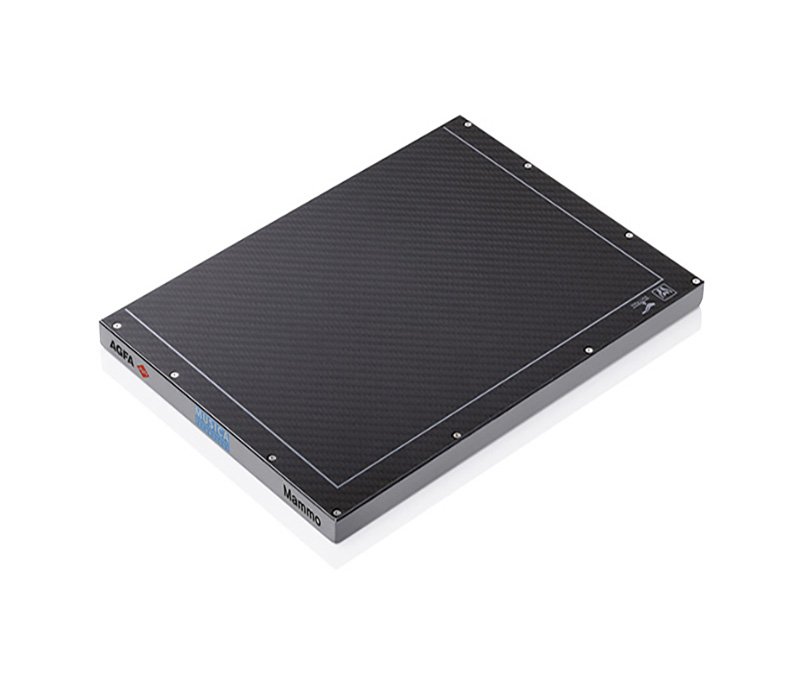
A DR detector captures X-ray information electronically and sends the data directly to an imaging workstation. This reduces the need for cassette handling and separate plate processing.
With a DR detector, radiographers can generally review images more quickly after exposure. Faster image availability can support smoother patient movement, particularly in departments handling a high number of examinations.
Another important benefit is workflow flexibility. Depending on the system, a DR detector can be designed for fixed rooms or mobile applications, giving healthcare providers different options when planning digital radiography upgrades.
What Is a DR Retrofit?
Replacing an entire X-ray system can require significant investment. A DR retrofit provides another approach by upgrading an existing compatible radiography system with digital detector technology.
A DR retrofit can help facilities modernise their imaging workflow while continuing to use parts of their existing equipment. This can be particularly useful for healthcare centres that want digital capabilities without immediately investing in a completely new radiography room.
However, compatibility should always be assessed before choosing a DR retrofit. Detector size, generator compatibility, workstation integration, installation requirements, and software features can all affect the upgrade process.
Computed Radiography vs DR Technology
Computed Radiography and DR systems differ mainly in the way X-ray images are captured and processed. Computed radiography relies on imaging plates and a reader, while a DR detector captures images electronically.
DR systems can reduce processing steps and provide faster access to images. In comparison, Computed radiography may offer a more gradual upgrade path for facilities working with existing equipment.
Making Digital Radiography More Practical
The move from Computed radiography to systems using a DR detector is not simply about purchasing newer technology. It is about creating a more efficient imaging process. For facilities with compatible equipment, a DR retrofit can provide a practical route toward digital radiography while supporting existing infrastructure.
Choosing imaging equipment from an established radiography technology provider can also help healthcare facilities focus on dependable image acquisition, workflow integration, service support, and long-term usability. A strong technology partner should offer solutions that fit different clinical environments while helping imaging departments make a smooth transition toward modern digital radiography.