Home Blog Page 5

Is Mouthwash Really Necessary? When Rinses Help and When They’re Just Extra

0

Mouthwash aisles are packed with colourful bottles promising fresh breath, strong enamel, and germ kill. But do you really need one? The honest answer: it depends on your mouth and your habits.

For many people, good brushing and flossing are the true foundation. If you’re already cleaning twice a day and clearing between the teeth, a basic mouthwash is more like a “bonus” than a requirement. It can freshen breath and add a small extra layer of protection, but it doesn’t replace mechanical cleaning.

Certain mouthwashes have specific roles. Fluoride rinses can help people prone to cavities. Alcohol-free anti-bacterial rinses may be useful in gum disease management when advised by a dentist. Medicated mouthwashes are sometimes prescribed for short-term use after surgery or during acute infections.

On the other hand, overusing strong, alcohol-heavy rinses can dry the mouth, which ironically makes bad breath worse over time. And relying on mouthwash instead of treating decay or gum problems is like using perfume instead of bathing – it hides, not fixes.

If you like the fresh feeling, choose a gentle, alcohol-free rinse and use it as a support act, not the main hero. If your mouthwash seems to burn or irritate your gums or tongue, it’s a sign to switch or skip.
How Pregnancy Can Affect Gums and Teeth: Basic Oral Care Tips for Expecting Mothers

0

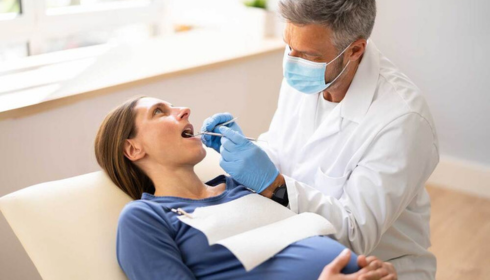
Pregnancy changes almost everything in the body, including your mouth. Shifting hormones can make gums more reactive to plaque, leading to swelling, redness, and bleeding when you brush. This “pregnancy gingivitis” is common, but it doesn’t have to get out of control.

Nausea and vomiting can bring stomach acid into the mouth, which is harsh on enamel. Frequent snacking to handle cravings or morning sickness can also increase the number of acid and sugar attacks on teeth. Some women find their usual toothpaste smell suddenly intolerable and brush less often, which only adds to the problem.

Small adjustments help a lot. If brushing triggers nausea, try a milder or unflavoured toothpaste and a smaller brush head. After vomiting, don’t rush to brush immediately; rinse thoroughly with water or a bland mouth rinse first and brush later so you don’t scrub softened enamel.

Regular brushing, flossing, and dental checkups are safe during pregnancy. In fact, treating active gum disease or cavities can reduce discomfort and help overall health. Always tell your dentist you’re pregnant so they can plan X-rays and medicines appropriately.

Healthy gums and teeth mean one less thing to worry about during an already demanding time in life.

Sensitive Teeth to Cold Drinks: Everyday Triggers and Simple Relief Steps

0

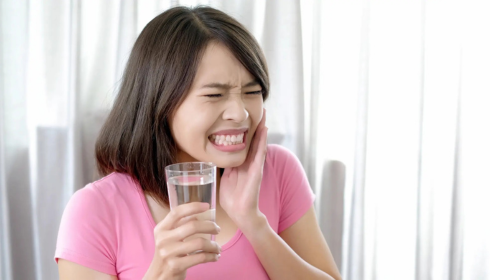
That sharp “zzt” pain when you sip a cold drink or bite ice cream can be surprisingly strong. Tooth sensitivity often comes from exposed dentin – the inner layer under enamel – where tiny channels connect to the nerve.

Everyday factors slowly expose this layer: aggressive brushing with a hard brush, acidic foods and drinks, grinding, gum recession, or old worn fillings. Even frequent snacking on sour candies or fizzy drinks can contribute by eroding enamel over time.

First step is to treat your teeth more gently. Switch to a soft-bristle toothbrush, use light pressure, and avoid harsh scrubbing at the gum line. A toothpaste made for sensitive teeth can gradually help by blocking those tiny channels and strengthening enamel. Stick with it for a few weeks; it doesn’t work overnight.

Try to reduce constant acid hits – limit sodas, sports drinks and very sour foods. If you do have them, avoid brushing immediately afterwards; rinse with water and wait a little before brushing.

If sensitivity is severe, sudden, or limited to one or two teeth, visit a dentist. Sometimes, a cavity, crack, or worn filling is the real cause and needs specific treatment. With a mix of habit changes and proper care, most people can enjoy cold drinks again without that sudden shock.

DIY Dental Hacks on Social Media: Which “Tricks” Can Actually Harm Your Smile

0

Social media is full of “life hacks”, and teeth are often a target. You’ll see videos of people scrubbing with baking soda, rubbing lemon on enamel, using charcoal powders, or even filing down teeth at home. These clips might get likes, but your mouth pays the price.

Harsh scrubbing with rough powders can scratch enamel, making it more prone to staining and sensitivity. Acidic ingredients like lemon juice or vinegar slowly dissolve the protective outer layer. The damage isn’t always instant – it builds over weeks and months until cold drinks start to hurt and teeth look dull instead of shiny.

Another risky trend is DIY aligners or trying to move teeth using random devices. Tooth movement is not just about appearance; it involves bone, roots, and your bite. Doing this without a dentist can lead to loose teeth, gum recession, or jaw pain.

If a hack promises “instant whitening” or “perfect alignment at home” with almost no cost, it’s a red flag. Safe results usually come with proper assessment, slow progress, and professional supervision. Simple, proven habits – brushing twice a day with fluoride toothpaste, flossing, and regular cleanings – still beat any viral trick long term.

Night Grinding in Adults: Lifestyle Habits That Quietly Damage Your Teeth

0

Many adults grind or clench their teeth at night and don’t even know it. Often, your partner hears the grinding before you ever feel anything. Over time, though, this habit can quietly wear down enamel, crack fillings, and leave your jaw sore every morning.

Night grinding, or bruxism, is often linked to stress, anxiety, poor sleep, excess caffeine, or alcohol use close to bedtime. Some people clench while working on a laptop or driving, then continue the same pattern subconsciously in sleep. If you wake up with headaches, tight jaw muscles, or tooth sensitivity, it might be more than “just stress”.

Simple changes can help: reducing caffeine in the evening, cutting back on late-night alcohol, and adding calming pre-sleep habits like stretching, reading, or breathing exercises. Pay attention during the day too – if your teeth are touching when you’re not eating, you’re likely clenching.

A dentist can spot flat, worn surfaces or small fractures and may suggest a night guard. It’s a simple plastic shield that sits over your teeth and absorbs some of the pressure. It doesn’t fix stress, but it helps protect your smile while you work on the root causes in your lifestyle.